

The first gesture of the day: the body has its own rhythm. At the table, too
-
Posted by

For our body, morning begins even before we open our eyes.
In the hours leading up to waking, body temperature changes, the production of certain hormones shifts, and so does the way we use energy. It is the silent work of our biological clock, that internal rhythm that accompanies the alternation of day and night and also influences our relationship with food.
This is precisely what chrononutrition studies: the relationship between food and time. And it offers us an idea that is as simple as it is fascinating: our body does not respond to food in the same way at every moment of the day. Some studies have shown, for example, that with the same meal, the rise in blood glucose may be lower in the morning than in the evening.
Breakfast therefore takes on a meaning that goes somewhat beyond the familiar idea of simply “refuelling”. Rather, it is the first encounter of the day between our internal rhythm and what we choose to offer it.
And, as is often the case, there is no perfect formula.
There is balance.
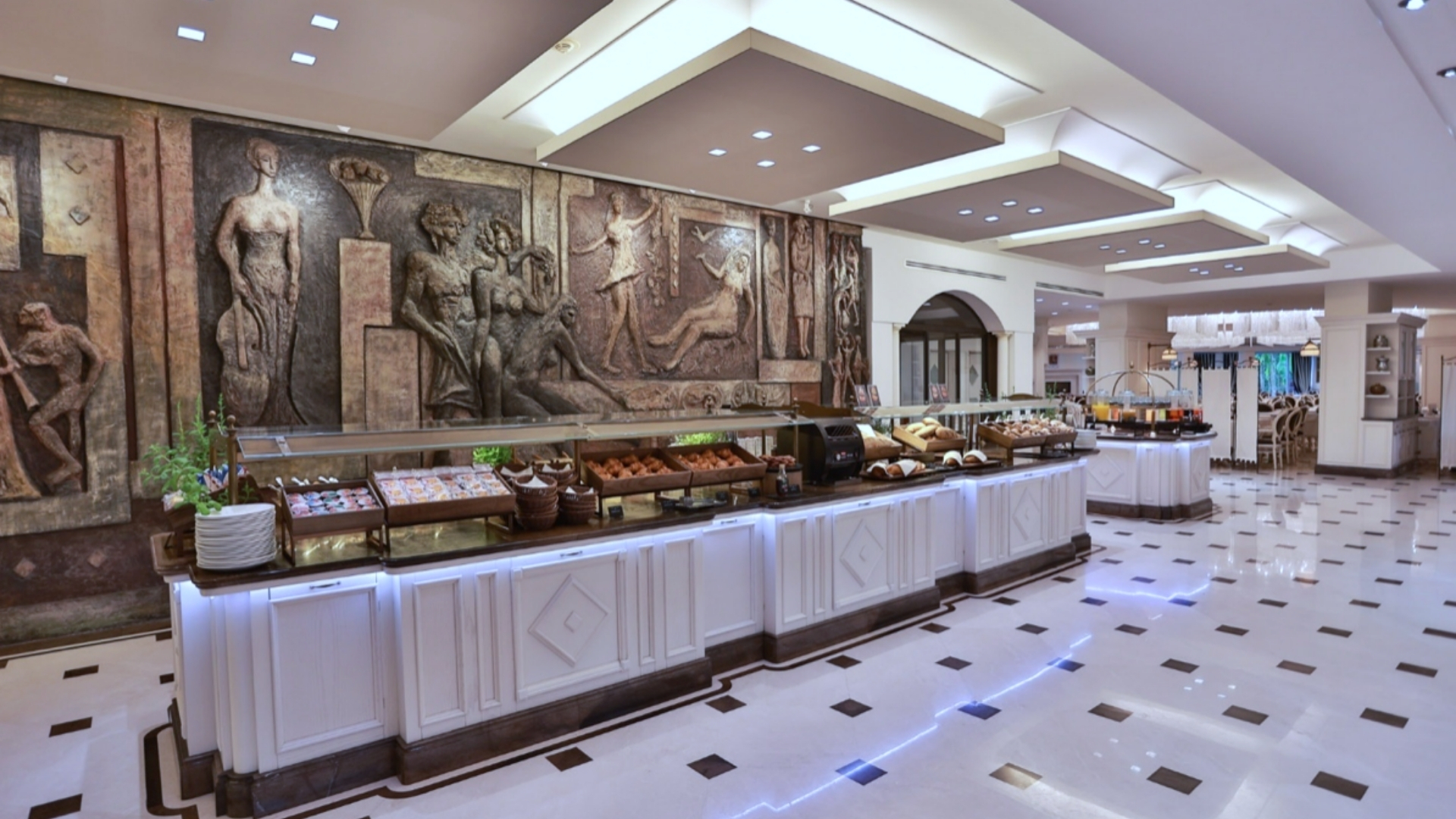
A varied breakfast can include fresh fruit, preferably wholegrain cereals, bread, yoghurt or milk, nuts, seeds and a source of protein. Healthy eating guidelines place particular emphasis on variety: not so much on finding a single ideal food, but on our ability to combine different and complementary choices over time.

Perhaps this is one of the most enjoyable aspects of the first meal of the day: it does not necessarily have to resemble the one we had the day before.
Sweet can give way to savoury. Fruit can accompany yoghurt, while bread can be paired with something freshly prepared to order. Varying our choices means following our own tastes, certainly, but it also helps create a more diverse diet, allowing different nutrients to find their place morning after morning.
Among the many breakfast options, eggs are a particularly interesting example. Behind such a simple ingredient lies a source of high-quality protein and natural versatility, especially valuable for those wishing to include protein in the first meal of the day. An adequate protein intake at breakfast may also help prolong the feeling of fullness in the hours that follow.
At the Tritone, this option also retains the pleasure of immediacy: eggs are prepared fresh to order, only when requested, and cooked exactly as the Guest prefers.
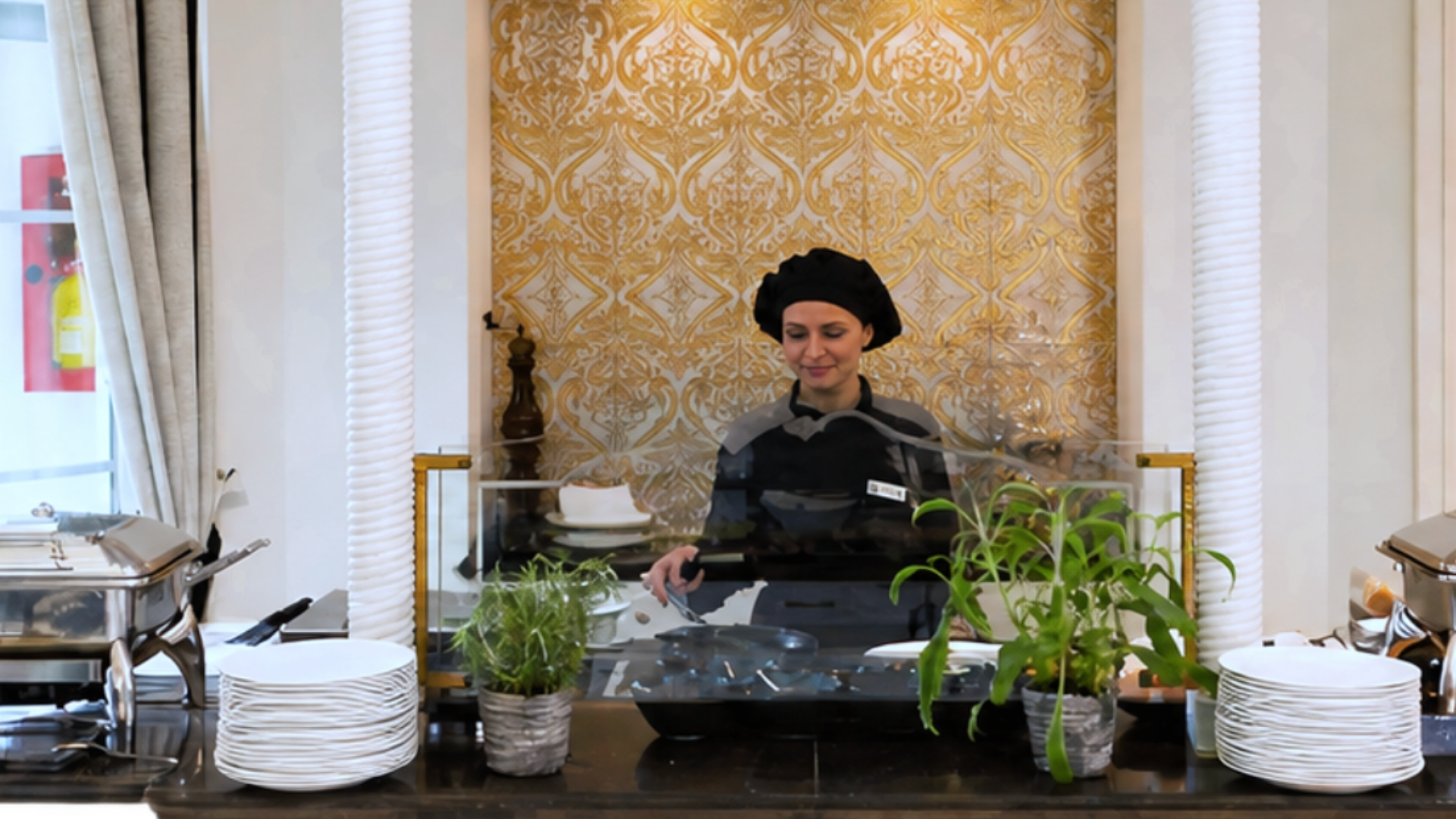

A few minutes, a precise gesture, a preference heard and understood.
Yet breakfast at the Tritone tells a story that begins even before preparation.
It begins with the ingredients.
Choosing quality raw materials, respecting seasonality and working with local producers is not only about seeking flavour and freshness, but also about looking beyond what arrives on the plate.
The origin of an ingredient tells a geography made up of people, expertise and distances. And in this case, proximity has more than one meaning.
It means freshness.
It means a relationship with those who produce.
It means supporting the local economy.
And it also means reducing the distance many ingredients must travel before reaching the table.
Because the most genuine forms of care can be recognised in the natural ease of that moment: in the pleasure of beginning the day with the right breakfast.